Categories
Recent Posts
.webp)
.webp)
.webp)
Products
-
0,54 €
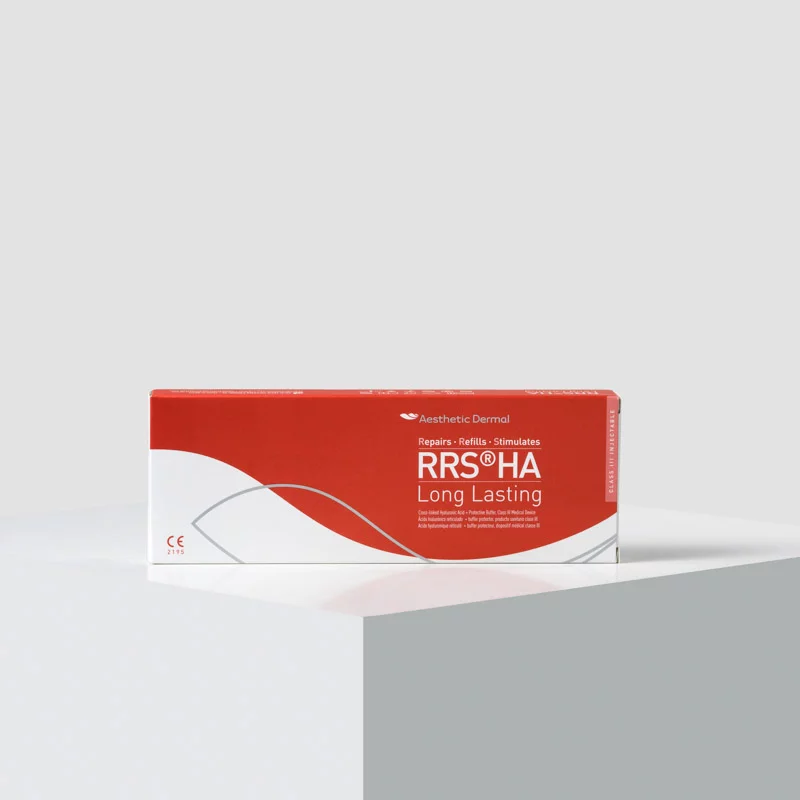
RRS® HA Long Lasting - 1x3ml -
1,41 €
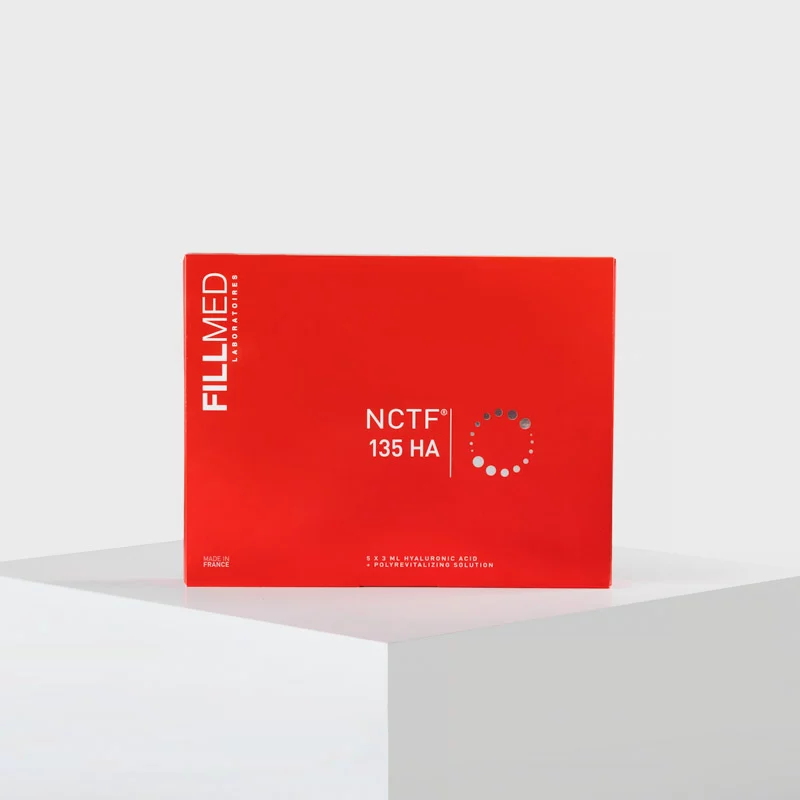
FILLMED NCTF® 135HA - 5x3ml
Tags
-

- Author e-FILLERS Team
- Jan 12th, 2026
Injectable Skincare 2.0: Where Skin Boosters Fit in 2026
.webp)
Injectable Skincare 2.0: Where Skin Boosters Fit in 2026
Introduction: From Volume to Skin Intelligence
Aesthetic medicine has entered a new phase. The era of correction-first aesthetics is giving way to Injectable Skincare 2.0—a model centered on skin health, biology, and longevity rather than volume and shape alone. In 2026, patients expect injectables to behave like advanced skincare: improving texture, hydration, elasticity, and resilience from within.
At the heart of this shift are skin boosters, which have evolved from simple hydration treatments into strategic tools for long-term skin optimization.
What Defines Injectable Skincare 2.0
Injectable Skincare 2.0 is defined by treatments that work with the skin’s biology instead of overriding it. These protocols prioritize dermal hydration, cellular communication, barrier repair, and collagen support over immediate volumization.
Key characteristics include:
• non-volumizing or micro-volumizing injectables
• regenerative and bioactive ingredients
• layered protocols rather than single treatments
• natural, progressive results
• maintenance-based skin planning
Skin boosters fit this model perfectly because they deliver measurable improvements in skin quality without altering facial structure.
The Evolution of Skin Boosters
Originally introduced as injectable hydration, skin boosters have matured significantly. In 2026, they are recognized as foundational skin treatments rather than add-ons.
Modern skin boosters:
• bind water deeply within the dermis
• improve elasticity and firmness
• refine skin texture and pores
• enhance light reflection and glow
• support dermal density over time
They are no longer positioned as “light fillers,” but as injectable skincare with biological impact.
Why Skin Boosters Are Central to 2026 Protocols
Skin boosters have become central to Injectable Skincare 2.0 for several reasons. First, they address universal skin concerns—dehydration, dullness, fine texture changes—across all ages and skin types. Second, they integrate seamlessly with regenerative treatments such as exosomes, polynucleotides, and biostimulators.
In 2026, skin boosters are often the first step in a long-term skin plan. By improving hydration and dermal quality early, they enhance the effectiveness of all subsequent treatments.
Skin Boosters vs Traditional Fillers
Unlike traditional fillers designed to replace lost volume or reshape contours, skin boosters work at a microstructural level. They do not lift or sculpt; instead, they optimize the skin environment.
This distinction matters because patient preferences have shifted toward subtlety. Many patients actively avoid treatments that change facial proportions, yet still want visible improvement. Skin boosters offer:
• no “done” look
• minimal downtime
• natural texture enhancement
• suitability for delicate areas
This makes them especially appealing to younger patients and those focused on prevention.
Key Treatment Areas in Injectable Skincare 2.0
In 2026, skin boosters are widely used beyond the face. Popular areas include:
• neck and décolletage
• under-eye region (non-volumizing protocols)
• hands
• perioral area
• abdomen, arms, and knees
These areas respond particularly well to hydration-based dermal improvement, where traditional fillers are often unsuitable.
How Skin Boosters Combine with Regenerative Treatments
Injectable Skincare 2.0 is rarely about a single product. Skin boosters are most effective when layered with regenerative modalities.
Common combinations include:
• skin boosters + exosomes for hydration and cellular repair
• skin boosters + RF microneedling for texture and tightening
• skin boosters + biostimulators for immediate glow and long-term firmness
In these protocols, skin boosters create the optimal dermal environment for regeneration to occur.
Patient Demand Driving the Shift
Patient education and social trends have accelerated the rise of Injectable Skincare 2.0. Concepts like “skin longevity,” “pro-youth,” and “glass skin” have changed expectations. Patients now ask for treatments that improve how skin functions, not just how it looks.
Skin boosters meet this demand by offering visible yet discreet improvements, aligning with modern aesthetics that value authenticity and long-term care.
Clinical and Business Impact for Practices
From a clinical perspective, skin boosters are efficient, predictable, and suitable for repeat treatments. From a business standpoint, they support:
• maintenance-based treatment models
• high patient retention
• package and membership offerings
• year-round demand
Their versatility makes them a cornerstone service for clinics building forward-thinking treatment menus in 2026.
Conclusion: Skin Boosters as the Foundation of Injectable Skincare
Injectable Skincare 2.0 represents a fundamental change in aesthetic medicine—and skin boosters sit at its core. By improving hydration, texture, and dermal quality without altering facial structure, they bridge the gap between skincare and injectables.
In 2026, skin boosters are no longer optional enhancements. They are the foundation upon which modern, regenerative, and longevity-focused aesthetic protocols are built.